
What Is Theta? Understanding Time Decay

TL;DR
- Theta estimates how option value changes as time passes.
- For a purchased option, Theta is often negative.
- Actual premium can rise even while time passes.
What Does Time Decay Mean?
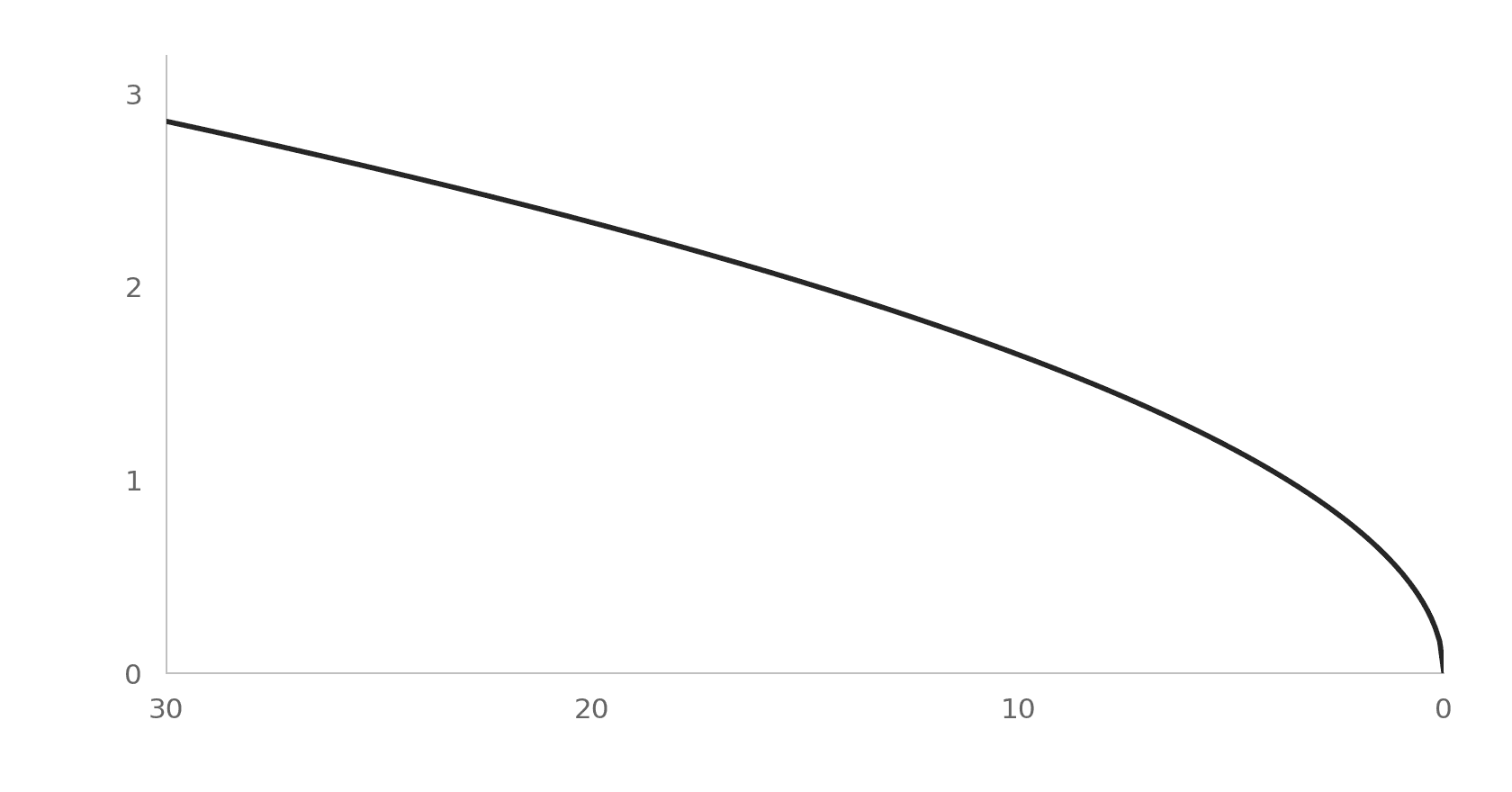
Every day brings an option closer to expiration. If stock price, implied volatility, and other inputs stay fixed, the option’s theoretical price can still change because there’s less time left. Theta estimates that change.
It helps to connect Theta to time value. If the stock stays where it is, the amount you’d get from exercising the option can stay the same. The contract still has one less day for things to change. A pricing model can assign a different value to that shorter window even with everything else held fixed.
How Do You Read Daily Theta?
A quote of −0.05 per day means the theoretical price falls by about five cents per share as one day passes, holding other inputs fixed. Check the convention on your platform before comparing numbers. Theta can change as the stock moves or as expiration gets closer.
Daily Theta is a snapshot, so tomorrow’s Theta may differ from today’s. Also check how a model counts time. One number might use calendar days, while another presentation may use a trading-day convention. The unit matters before you compare two quotes or scale one across several days.
One Day Later
Suppose a call is worth $2.40 per share today and its Theta is −0.05 per day. If everything else stays fixed, its estimated value a day later is about $2.35. That’s about $5 of time decay for a standard 100-share contract.
Now suppose the stock rallies during that day. The benefit from the stock move can outweigh the estimated time decay. You could see the call price rise even with negative Theta.
The move from $2.40 to $2.35 refers to the premium per share. The $5 figure is the change for the whole contract, not the new price. The new theoretical contract value is about $235. Keeping those two units separate makes the same quote easier to read on a chain or in your account.
What to Remember
Use Theta to isolate the effect of time. Avoid multiplying today’s Theta by every day left until expiration. It’s an estimate at today’s inputs, and those inputs can change.