
What Is Implied Volatility (IV)?
TL;DR
- IV is backed out from an option’s price using a model.
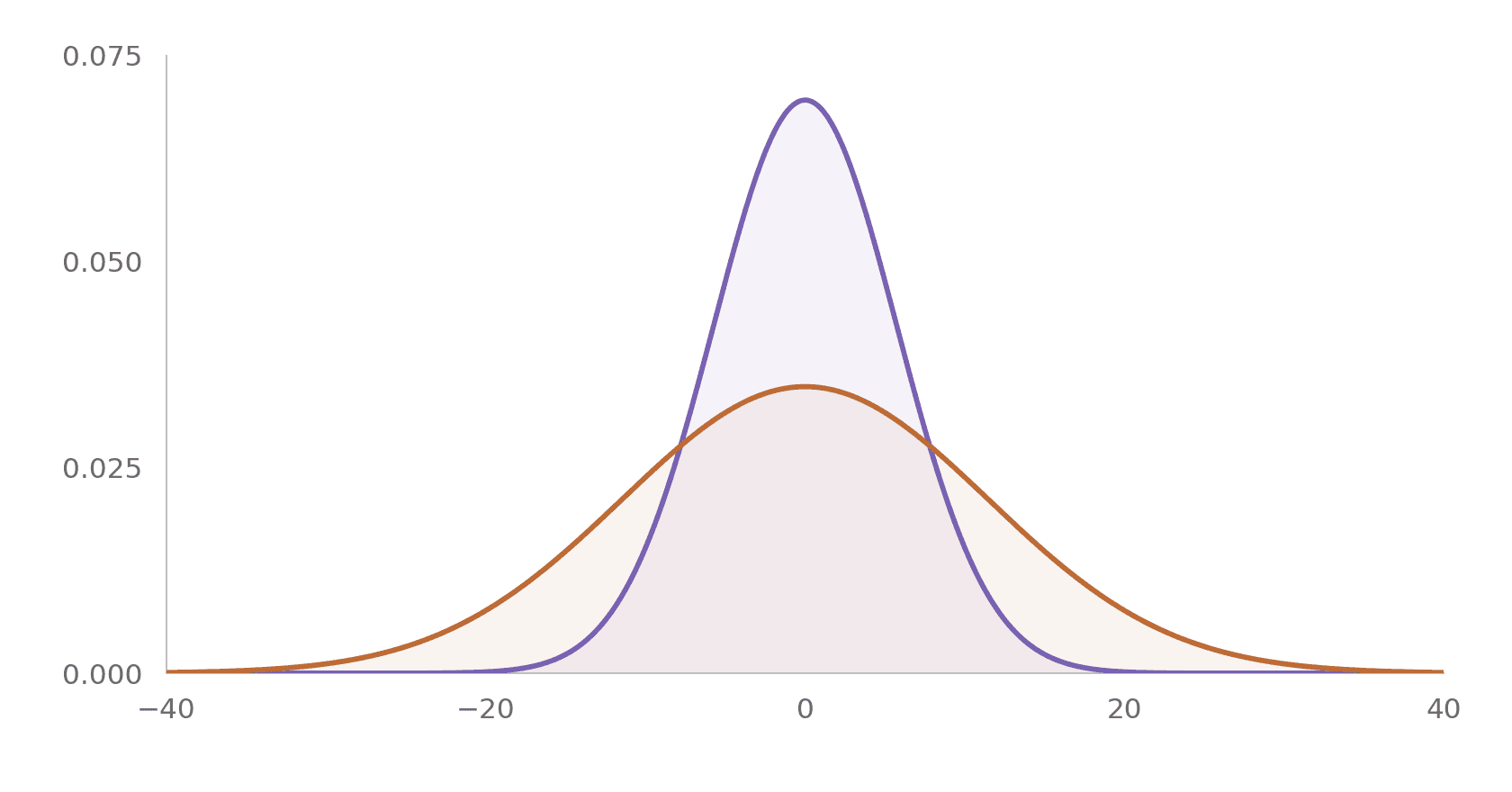
- Higher IV means a wider range of moves is priced in, all else equal.
- IV describes the size of possible moves, without telling you their direction.
Where Does IV Come From?
Take a stock, a strike, an expiration, and a quoted option price. A pricing model can tell you what the option would be worth at a given volatility. Run that question backward and you get IV. What volatility input makes the model match the quoted price?
IV is normally quoted as an annualized percentage. Two options on the same stock can have different IVs because they have different strikes or expirations.
Think of the pricing model as a calculator with one missing input. You have the quoted option price and can enter the stock price, strike, expiration, and other assumptions. You try volatility values until the model price matches the quote. The answer depends on the quote and inputs you used.
Why Can IV Change When the Stock Stays Put?
Think about a stock ahead of earnings. The stock might barely move while traders reprice the options around the announcement. If a quoted premium increases and the other model inputs stay fixed, the implied volatility backed out from that premium increases too.
Historical volatility looks at past price moves. IV reflects how options are priced today, under a model.
Annualized IV puts quotes on a common scale. A reading of 25% doesn’t say the stock will move 25% by Friday. If you want to connect an annualized reading to a shorter period, you need to name the horizon and the assumptions used to scale it.
Compare Two Quotes
Suppose a $100 stock has a one-month $100 call. Your model reports 25% IV at the morning quote and 32% at the afternoon quote. Assume the stock price, time input, rates, and dividends are held fixed for this comparison. The higher IV corresponds to a higher option price. It doesn’t tell you whether the next stock move will be up or down.
The frozen inputs make this a comparison of IV alone. On a live screen, time passes between the quotes and the stock may move too. Start by making sure you’re comparing the same strike and expiry and using the same price convention, such as the midpoint both times.
What to Remember
When quoting IV, name the strike and expiry, and check which price the calculation uses. A wide bid-ask spread can give you quite different IVs depending on which quote you pick. Next, Vega puts a number on how an IV change can affect premium.